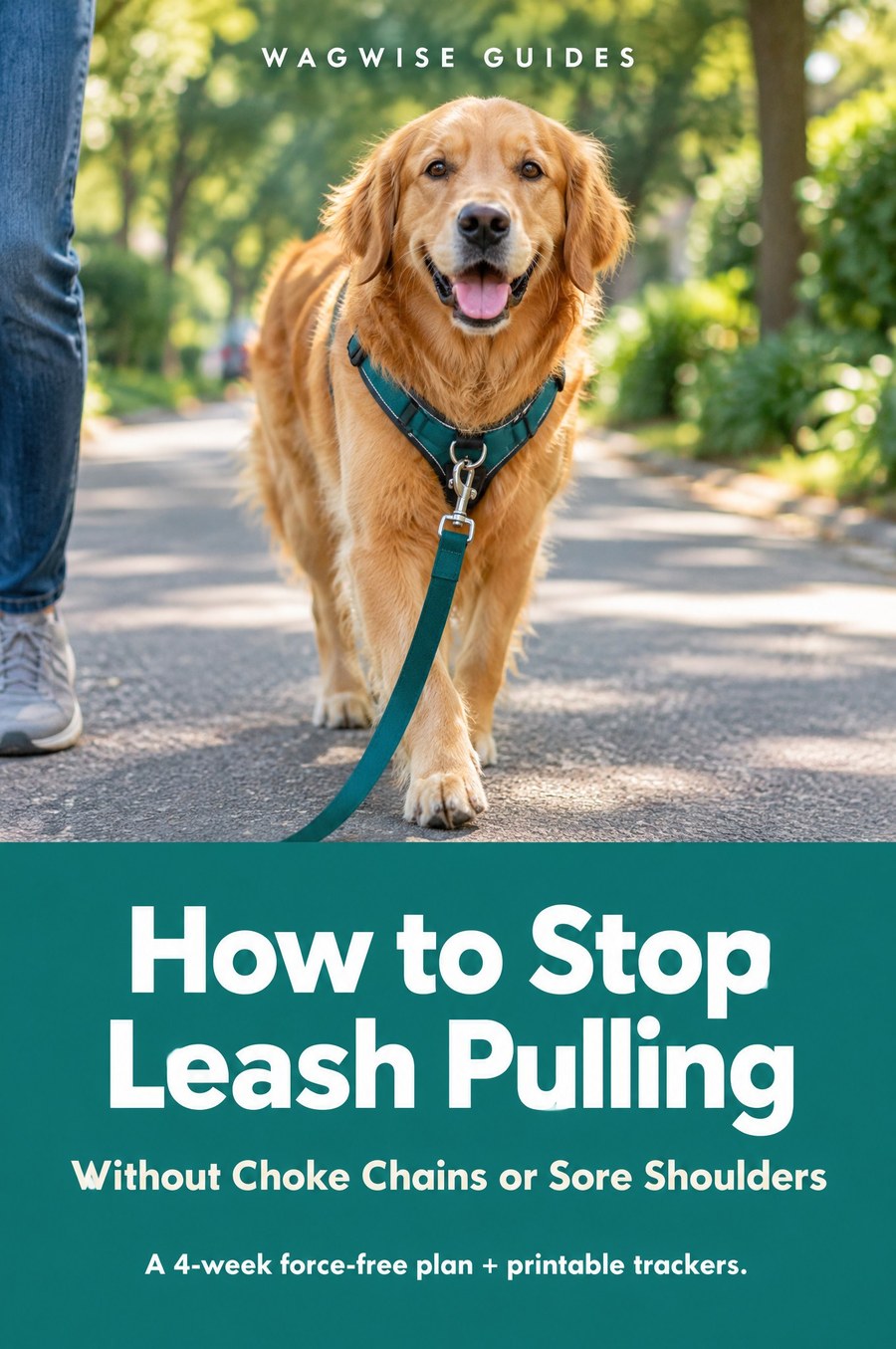
Leash pulling
Leash Pulling Mistakes to Skip
Quick answer
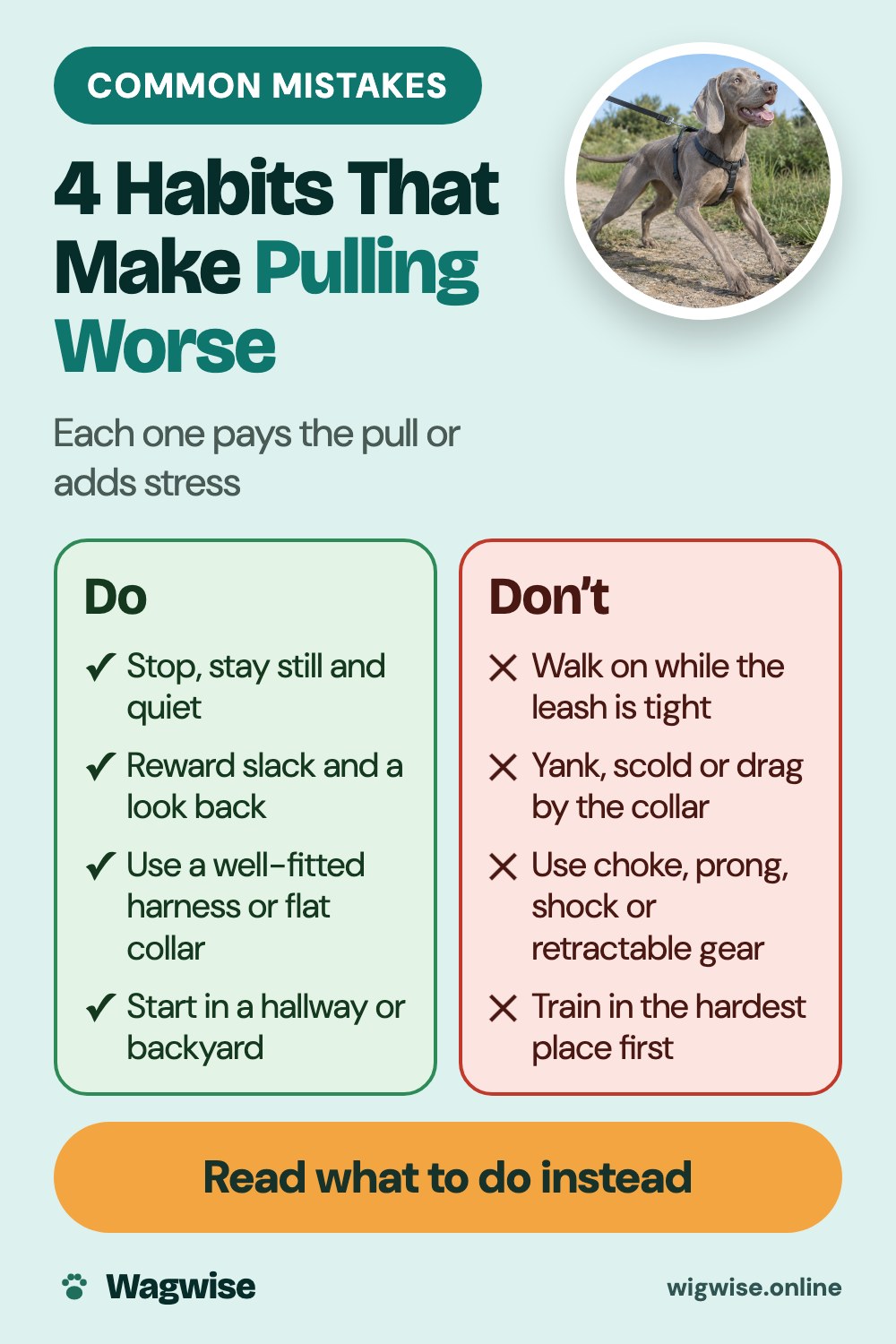
The most common leash pulling mistakes are jerking or scolding, walking on while the leash is tight, dragging your dog by the collar, using retractable leashes or painful gear, and training in places that are too hard. Each one adds stress or pays the pull, and each has a kinder fix.
- Walking on while the leash is tight pays the pull, even once.
- Jerking, popping, scolding or dragging adds stress without teaching a better choice.
- Skip choke, prong, shock and retractable gear.
- Training in places that are too hard, or giving up on the home games, slows everything down.
The biggest leash pulling mistakes are the ones that feel natural in the moment: yanking back, scolding or just walking on. They don’t come from being a bad owner. They come from not knowing that each one either adds stress or pays the pull. Here are the common ones and what to do instead.
Mistake 1: Walking on while the leash is tight
Every step you take while the leash is tight pays your dog for pulling. Dogs Trust Ireland says taking one step forward when your dog pulls reinforces the pulling, and AKC says allowing pulling, even once, can set training back.
Instead: stop, stand still, stay quiet and keep your hands low. When the leash goes slack or your dog looks back, say “yes!”, treat and walk on.
Mistake 2: Jerking, popping, yanking or scolding
Dogs Trust and Wood Green both say not to jerk the lead or tell the dog off. PDSA describes pulling as natural and advises against punishment. Scolding adds stress and doesn’t teach what to do instead.
Instead: stay calm, reward the moment of slack and make a loose leash the thing that moves you forward.
Mistake 3: Dragging your dog by the collar
Pulling your dog back by the collar teaches nothing. Clinician’s Brief says to encourage the dog into position with a voice cue or food.
Instead: use a cheerful voice and a treat to bring your dog back to your side, then mark and reward.
Mistake 4: Using the wrong gear
| Gear | Why to skip it |
|---|---|
| Choke, prong or pinch collars | RSPCA Australia says they must not be used because they cause pain and distress and can damage the neck |
| Shock, vibration or spray gear | Aversive. Veterinary behavior groups such as AVSAB recommend reward-based training instead |
| Retractable leashes | They reduce control, can teach dogs to pull, and raise the risk of entanglement, trips and slips |
| Tightening collars | They tighten when a dog pulls |
Instead: use a well-fitted harness or flat collar and a plain, fixed leash of about 5 to 6 feet. Ask a trainer or the shop to check the fit. More in Leash Gear That Helps and Gear to Skip.
Mistake 5: Training in places that are too hard
Testing your dog in the hardest place and calling it training sets you both up to fail. If your dog is fine at home but pulls outdoors, the place is too hard.
Instead: start in a hallway or backyard, play the foundation games, and move up only when you get 8 good reps out of 10. That is our rule of thumb, not a studied number.
Bonus mistakes
- Skipping the games at home. They are the base layer your dog falls back on when the street gets exciting.
- Being tense. A tense or distracted handler can raise a dog’s excitement or anxiety. Loosen your grip and breathe out.
- Expecting a switch. Loose-leash walking is a skill that takes weeks, and longer for a dog who has pulled for years.
- Letting different people use different rules. Everyone who walks your dog should agree: a tight leash means we stop.
What if I have made these mistakes?
You haven’t ruined anything. Put any painful or retractable gear away, check under the straps for rubbed fur or red skin, and start again with the quick start. To understand why the mistakes backfire, read Why Dogs Pull on the Leash. The full plan is in the Stop Leash Pulling guide.
Frequently asked questions
Should I jerk the leash when my dog pulls?
No. Dogs Trust and Wood Green say not to jerk the lead or tell the dog off. Stop, stay quiet and reward slack.
Why is walking on a tight leash a mistake?
Every step you take while the leash is tight pays your dog for pulling. AKC says allowing pulling, even once, can set training back.
Are retractable leashes bad for pulling?
RSPCA Australia, Wood Green, AKC and Cornell advise against them because they reduce control, can teach dogs to pull and raise the risk of trips and entanglement.
Will choke or prong collars stop pulling?
We don't recommend them. RSPCA Australia says choke and prong collars must not be used because they cause pain and distress.
More Wagwise guides for dog owners
 Stop Puppy BitingA gentle 4-week plan to stop the nipping and get through teething.$17 · instant PDFSee the guide →
 Get Rid of Dog Pee SmellRemove urine odor for good, then stop the accidents with a 14-day reset.$17 · instant PDFSee the guide →
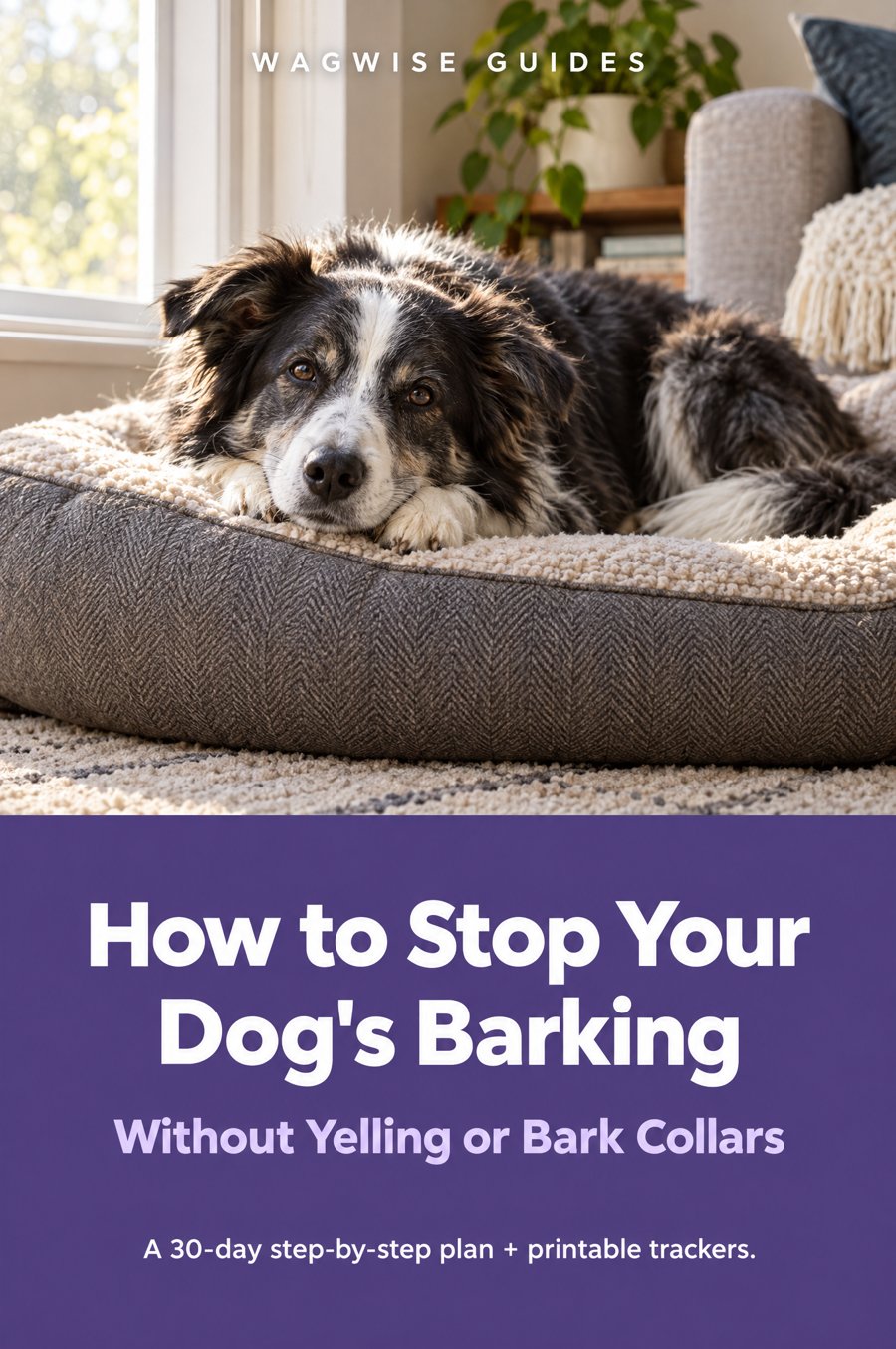 Stop Dog BarkingA quiz finds why your dog barks, then a plan made for that reason.$17 · instant PDFSee the guide →
 Help Your Itchy DogTrack triggers, soothe skin safely and know when to see the vet.$17 · instant PDFSee the guide →
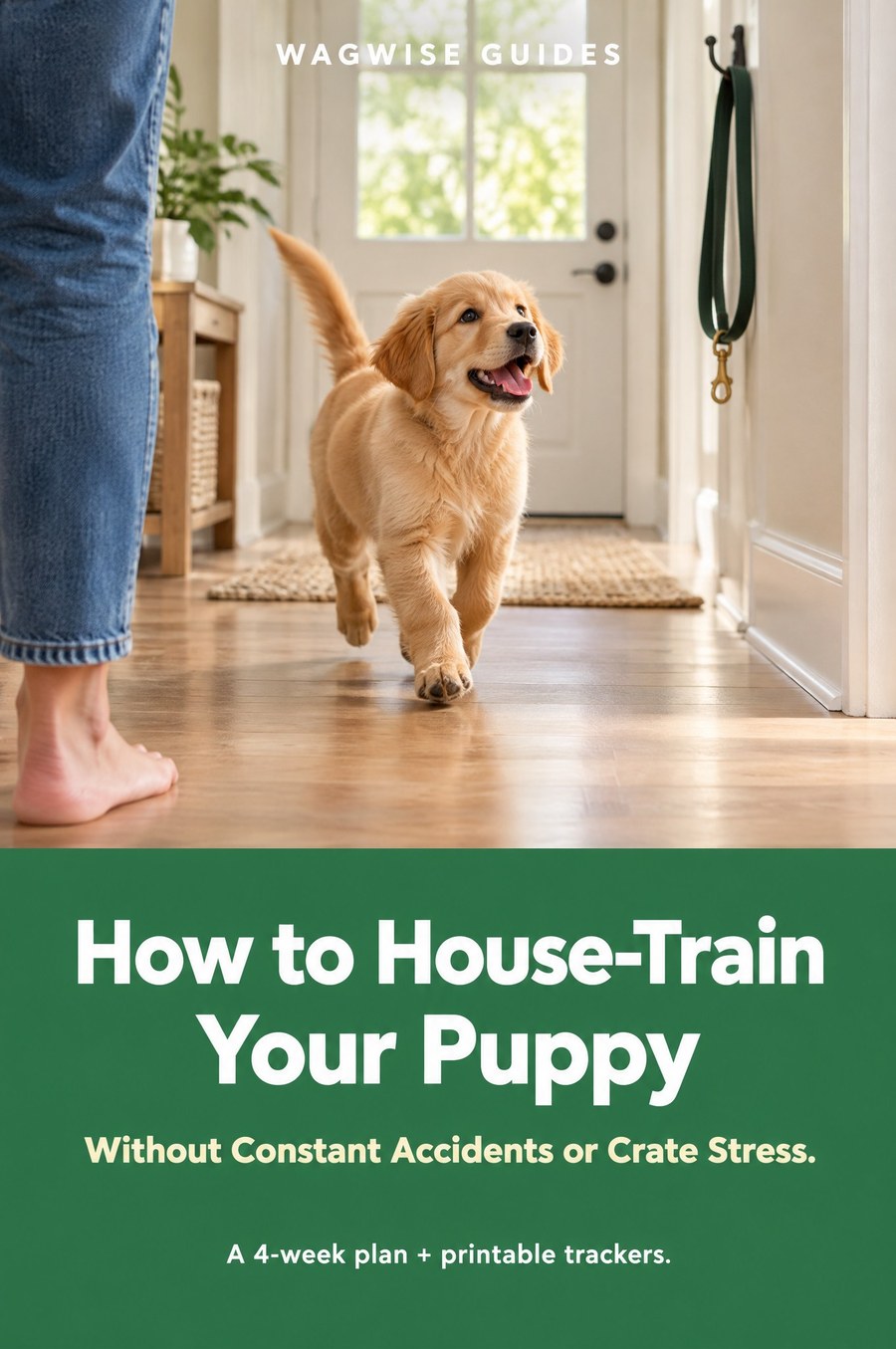 House-Train Your PuppyA kind 4-week plan with a schedule by age, a night plan and printable trackers.$17 · instant PDFSee the guide →
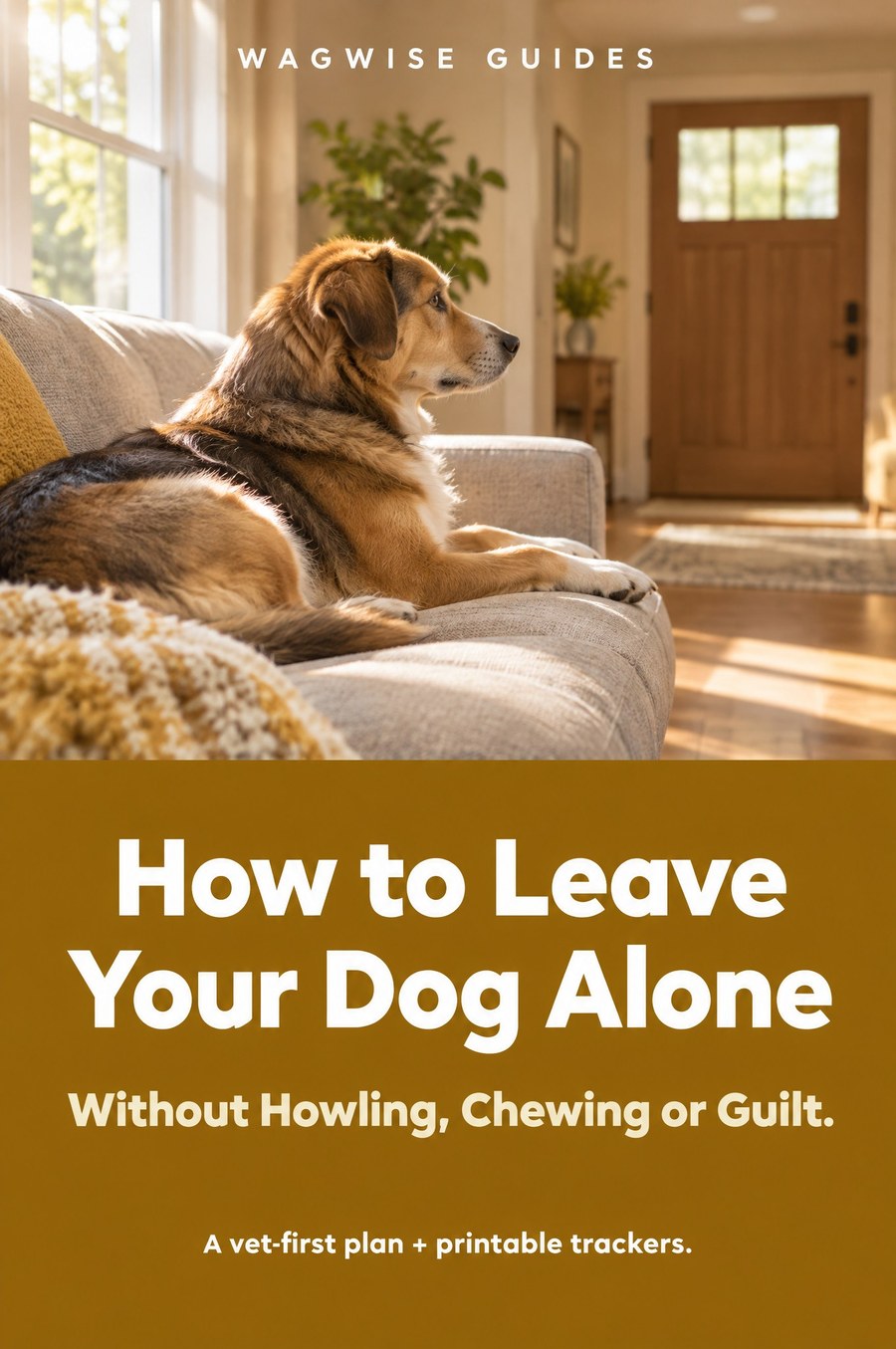 Leave Your Dog AloneFilm, sort and build calm alone time with a vet-first plan and a step-by-step ladder.$17 · instant PDFSee the guide →
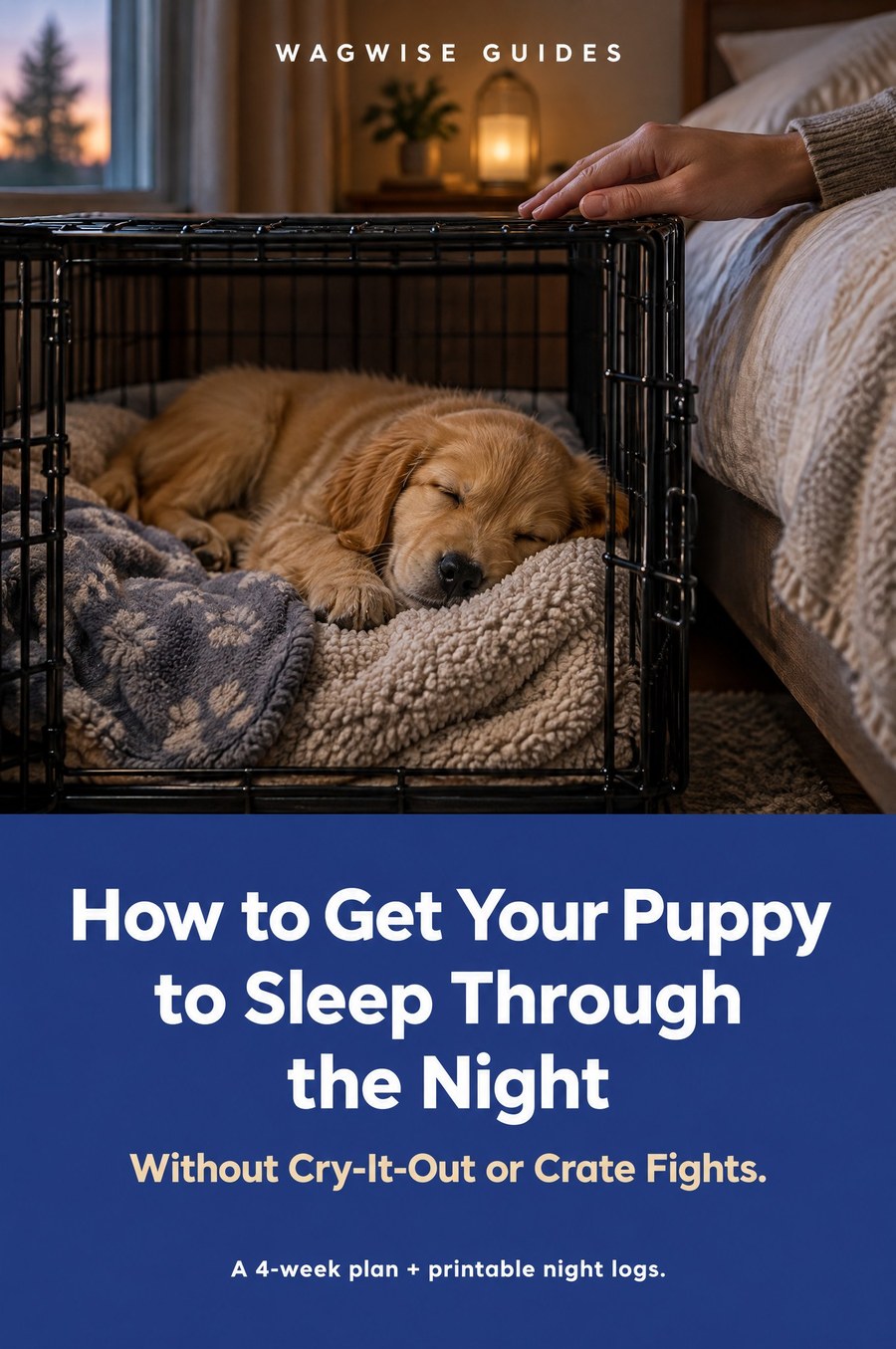 Puppy Sleeps Through the NightA realistic, age-by-age plan for calmer nights, without cry-it-out or crate fights.$17 · instant PDFSee the guide →
 Less Dog Hair, Less SmellA 4-week brushing, bath and home routine for a calmer-smelling house.$17 · instant PDFSee the guide →
Want all four? Get the complete library for $49.
Sources
This article is general education, not veterinary advice. It does not replace an examination by your vet or help from a qualified behaviourist.